A uniform is never bought once. So we build it as a programme.
New joiners, new seasons, new locations and the next refresh are part of the brief from the first conversation. The programme type sets the scope and the eight stages set the sequence, with a clear approval closing each one.

Four ways a programme starts. A brief is usually one of these, or two combined.
The type decides what we develop first, how we sample and how production is planned by role and location.
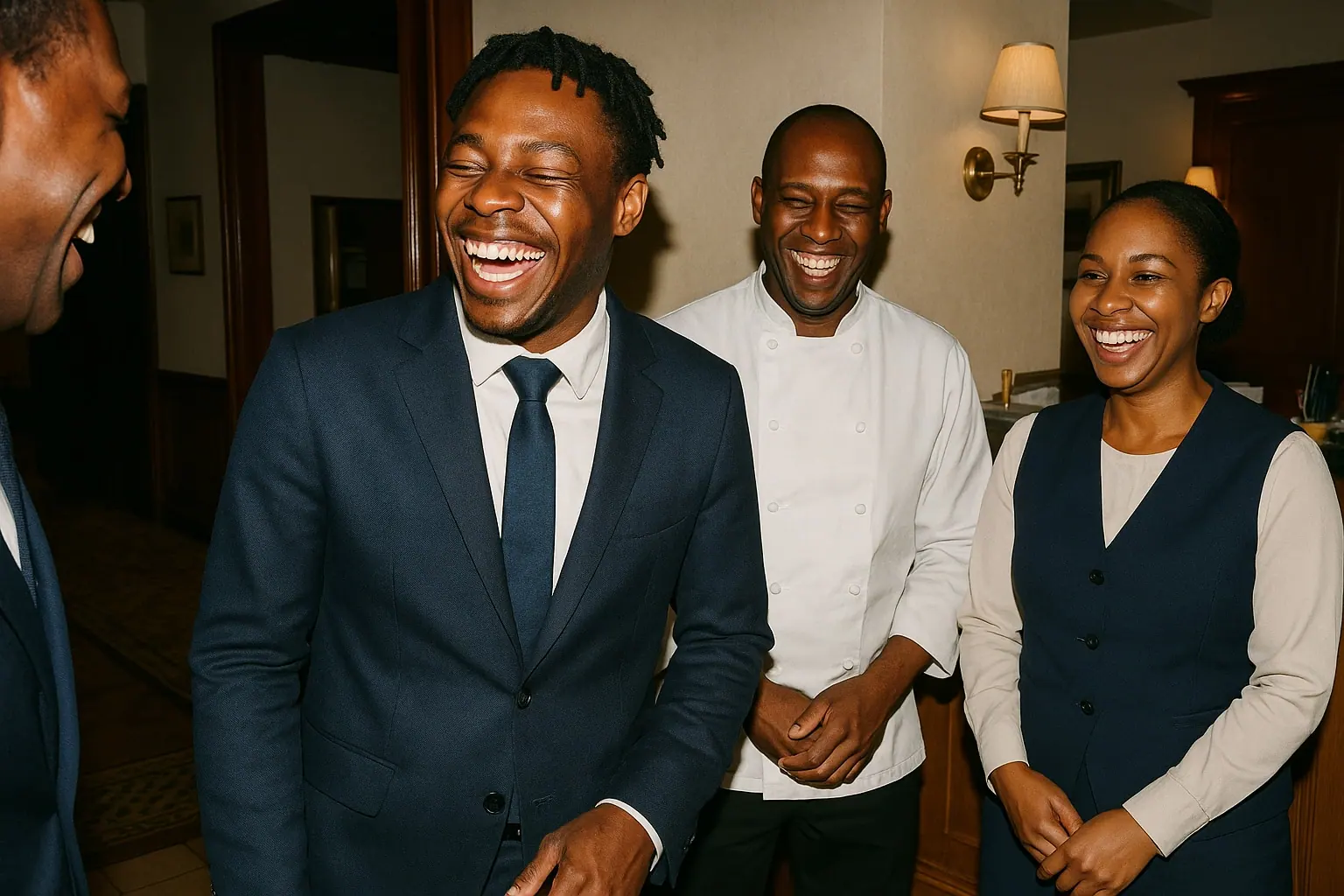
New uniform programme
A complete wardrobe for a new brand, property or customer experience.
From brand codes or a designer’s concept to a role-by-role wardrobe, developed, sampled and produced as one system. Every role gets what its work needs inside one visual language.
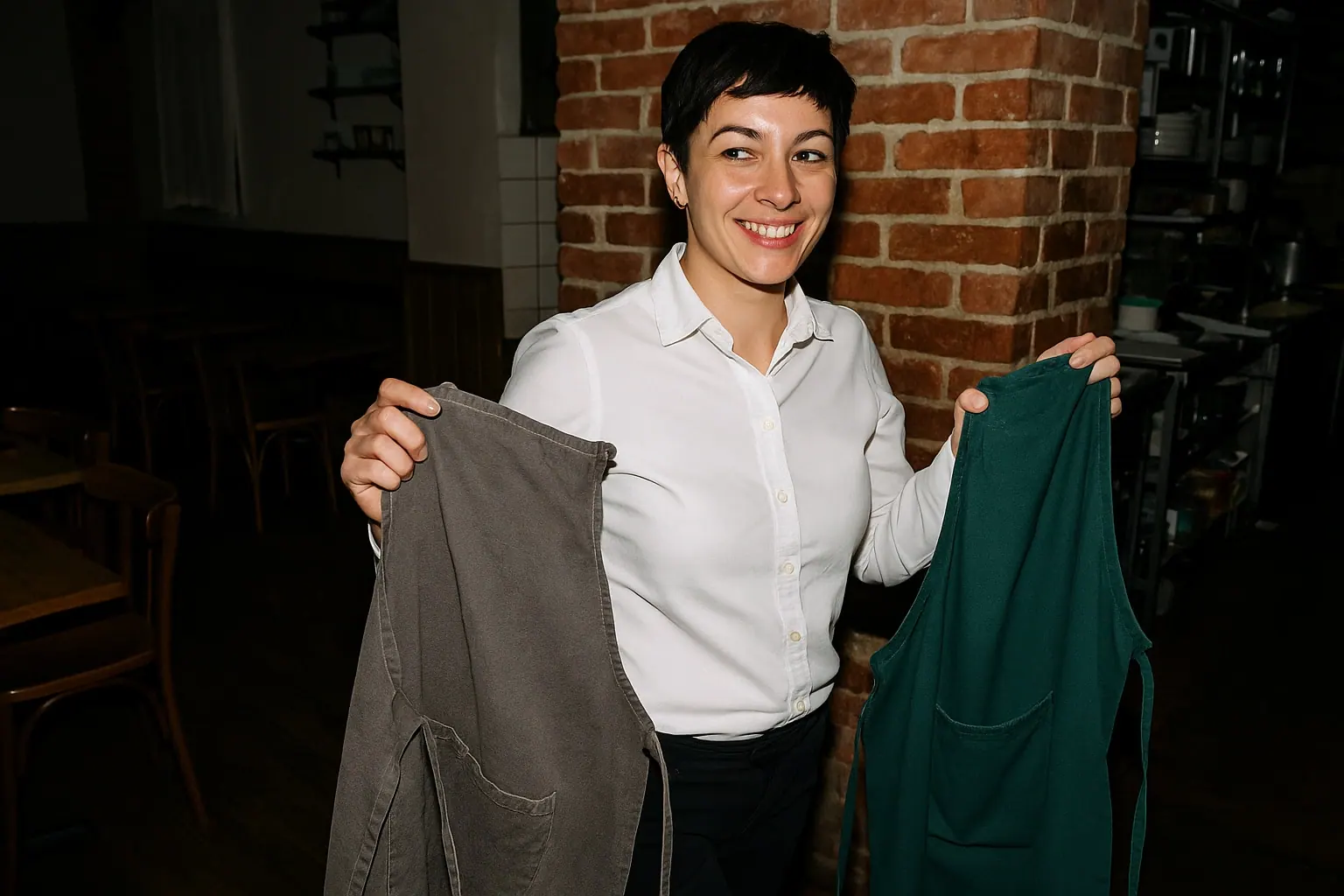
Uniform refresh
Evolution of an existing programme without starting from zero.
We keep what works and change what does not: cloth, cut, colour or a single role that has fallen behind. The next generation reads as progress, not a break.
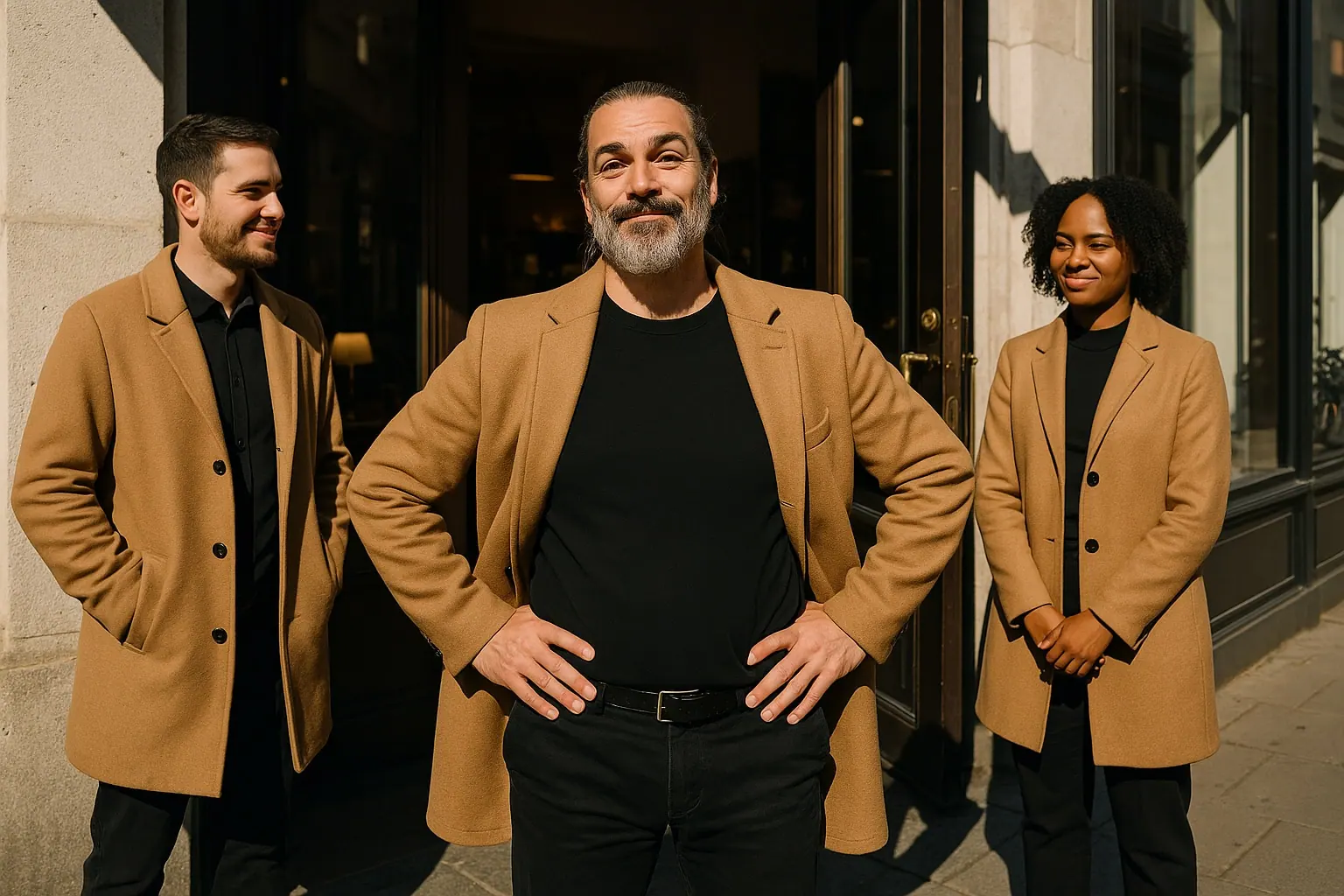
Multi-role and multi-location
Several roles and several sites dressed to one specification.
A role matrix gives each team the right register while sites are dressed to the same cloth, colour and finish specification. Planned location by location, including across countries where the programme needs it.
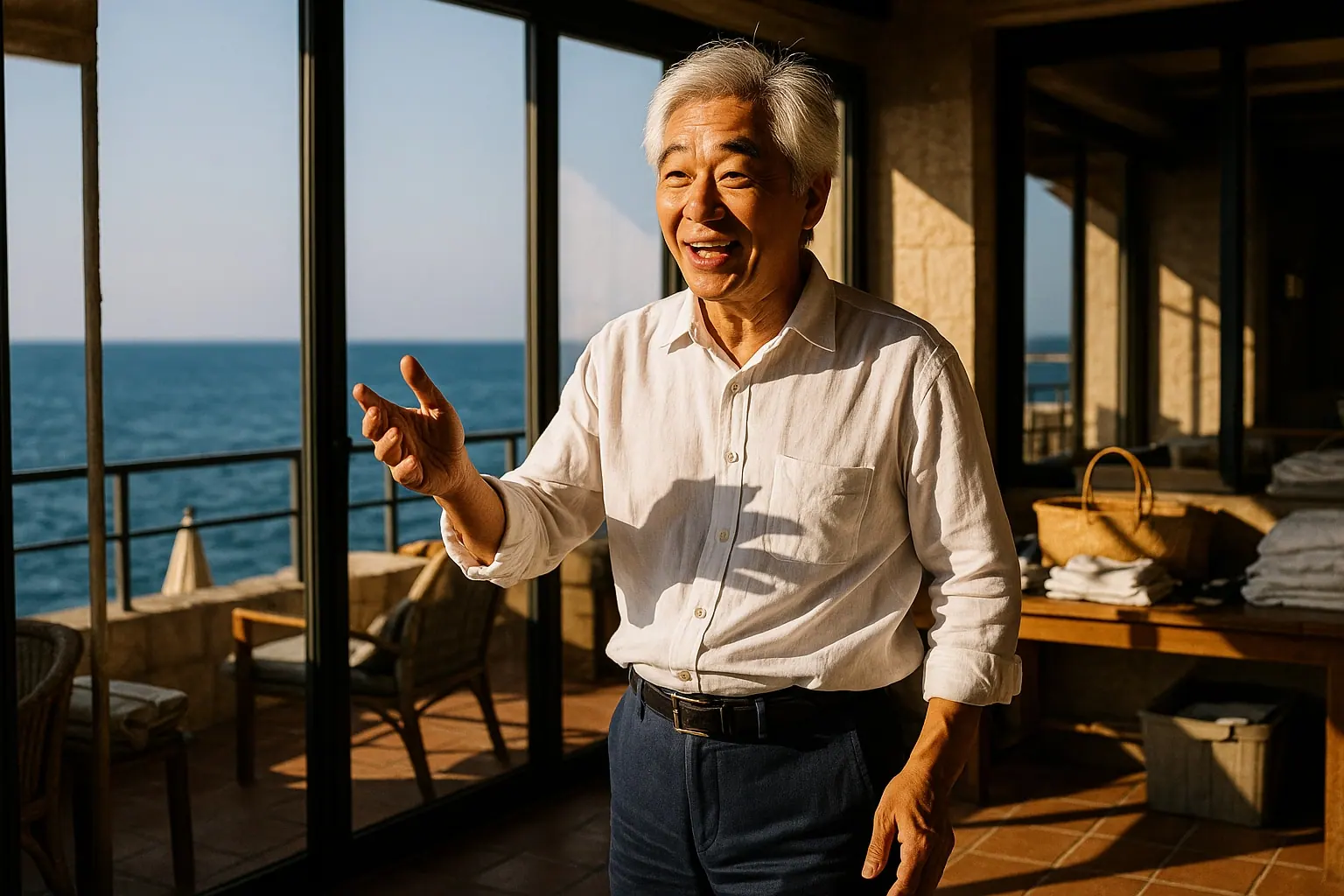
Seasonal and climate programme
Layers and variants for seasons, regions and climates.
Warm and cold versions of the same garment family, so a programme can move between a coastal resort and a city office without losing coherence. Outerwear is part of the brief, not an afterthought.


From brief to sealed sample.
Each stage closes with a clear approval before the next begins.
- 01
Brief
Roles, sites, approximate numbers, brand codes and dates. We ask what is missing and propose a route.
- 02
Role matrix
Who wears what, where and in which season. The matrix becomes the shared document for brand, operations and procurement.
- 03
Materials
Cloth, trims and colour selected for each garment against the hours and conditions the role works in.
- 04
First sample
The first garments are made so decisions are taken on real pieces, not drawings.
- 05
Sample review
Samples are reviewed with the client team and corrections to fit, finish and detail are agreed before the specification is sealed.
- 06
Sealed specification
Colour, cloth, construction and sizing are documented. The sealed specification becomes the reference for later production runs, subject to material availability and any agreed updates.
- 07
Production
Made in Portugal and Europe by the manufacturing partner selected for each garment category, to the sealed specification.
- 08
Delivery
Handover organised by role and site, with the documentation needed to repeat the order.


Every stage ends with a decision, not a report.
- After the brief
- The role matrix: which roles, which garments, which locations and roughly how many of each.
- After materials
- Cloth, trim and colour for each garment, confirmed on cuttings and the first sample.
- After the sample review
- Fit, finish and detail corrected on real pieces reviewed with the client team.
- After the sealed specification
- The reference for production runs and later orders, subject to material availability and any agreed updates.
- After production
- Production completed to the sealed specification and prepared for handover.
- After delivery
- The documentation to repeat the programme: for new joiners, new locations or the next season.
Portugal and Europe
Developed, sampled and produced in Portugal and Europe, by specialist manufacturing partners selected for each garment category, with Role & Form accountable for the complete programme. How the partner network works
Working with your design studio
Many programmes arrive with a designer or agency already attached. We develop and produce from their files and references, and the creative relationship stays theirs. If no design exists yet, we work from your brand guidelines. About the team
Planning a uniform programme?
Tell us about your team, roles, locations, approximate numbers and timing.
Answered by email, by the people who will run the programme.