Airport uniform programmes for check-in, gate and lounge teams
One wardrobe for the passenger-facing teams of an airport operator, ground handler or lounge operator, across terminals, airports and seasons. Developed, sampled and produced in Portugal and Europe.

Check-in agent at the desk before the morning wave. Illustrative concept.
Many employers, one terminal, one passenger
A passenger walks from the kerb to the gate and meets the airport operator, a ground handler working for three airlines, a lounge run by a third company and an information desk run by a fourth. They do not see the contracts. They see one building and judge every team against the others.
That is the brief for an airport uniform: a wardrobe that reads as your organisation at every desk, works standing for a full shift, copes with a terminal that is cold at the doors and warm at the gates, and can be repeated for new joiners at the airports you serve. Role & Form develops apparel and textile accessories for these roles. Safety, airside and protective equipment is outside the programme, and we say so at the first conversation.
One language across every role.
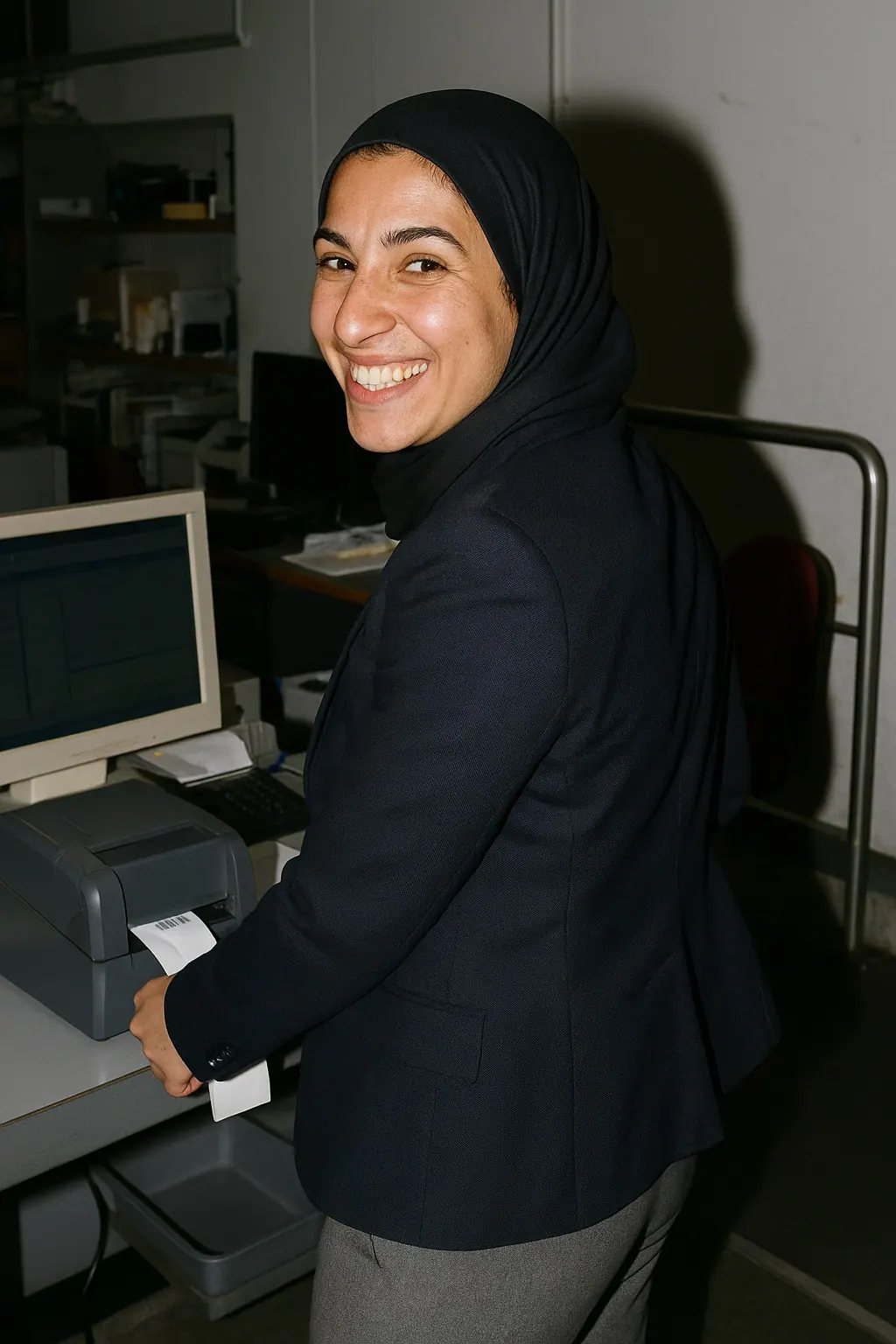
Check-in and ticketing
Standing at a desk for a full shift, reaching across a belt and lifting bags on to it. The uniform is seen from the queue, at waist height and above, for hours.
Soft jacket or cardigan · Trousers or skirt · Shirt or blouse · Waistcoat · Knit layer · Scarf or tie
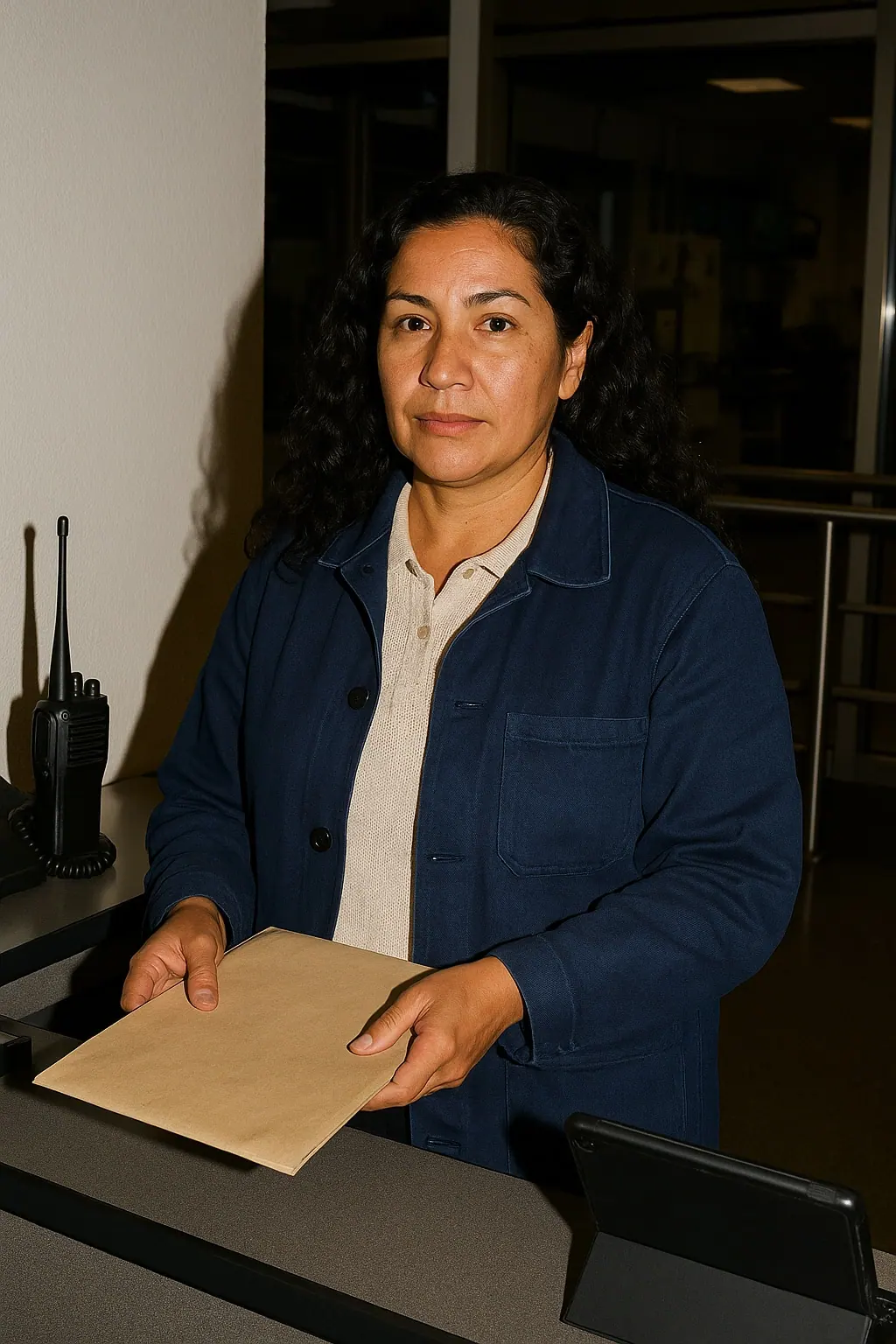
Gate and boarding
Moves between the desk, the boarding door and the jet bridge, where the temperature changes at every door. More ease, a layer that comes on and off, and the same colour story as check-in.
Soft jacket · Trousers · Shirt or blouse · Knit polo · Lightweight layer · Scarf

Lounge hosts
Welcome desk and floor service in a space closer to a hotel than a terminal. The wardrobe can be softer and more tailored, and still belong to the same operator as the desks outside.
Jacket · Dress or separates · Shirt or blouse · Fine-gauge knit · Apron or waistcoat where service requires · Scarf or neckwear
Passenger assistance and information desks
Walks the terminal all day, pushes a wheelchair, bends to a buggy, stands at an information point. Has to be found at a glance across a concourse, with ease of movement in every piece.
Knit polo or shirt · Soft jacket or blouson · Trousers · Cardigan or knit layer · Lightweight outer layer
Ground customer service supervisors
Moves between check-in, the gates and the office, and takes the hardest conversations of the day. A visible step up from the team: a different cloth or an extra piece, not a separate uniform.
Jacket · Trousers or skirt · Shirt or blouse · Waistcoat · Knit layer · Coat


Developed as one wardrobe.
- Tailoring
- Soft jackets · Trousers · Skirts · Dresses · Waistcoats
- Shirting
- Shirts · Blouses · Knit polos
- Knitwear
- Cardigans · Crew and V-neck layers · Fine-gauge knits
- Outerwear and accessories
- Coats · Blousons · Lightweight layers · Scarves · Ties and neckwear
Operating conditions
Standing all shift
Check-in, gate and information desks are worked on foot. Cloths and constructions are chosen for ease at the shoulder, recovery at the seat and knee, and a collar designed to still sit at the end of a shift.
Doors, gates and bridges
A terminal is cold at the kerb and warm at the gate. The wardrobe is built in layers so each role adds or removes a piece without leaving the brand behind.
Several airlines, one team
Ground handlers and lounge operators serve more than one airline. The wardrobe has to be yours, not borrowed from a client’s colours, and still sit comfortably next to any of them.
Joiners and later runs
Teams change through the year and across airports. Colour, cloth and construction are specified so a later run for one airport is produced to the same reference as the first.
How an airport programme runs
- 01
Brief and role map
We map roles, terminals and airports against garments and seasons. The map becomes the shared document for operations, brand and procurement.
- 02
Development and sampling
Cloth, construction and fit are developed for each garment and approved on real samples. Each stage closes with a clear approval before the next begins.
- 03
Production and later runs
Production is planned by role and airport, with the specification documented so repeat orders and new joiners are produced to the same reference as the first run.
The process, in short
Airport programmes often involve more than one decision maker: the operator’s brand team, the handler’s operations lead and procurement. We work to one wardrobe map and one approval trail, so each party signs off the same samples before production.
Each stage closes with a clear approval before the next begins.
The eight stages, from brief to deliveryQuestions airports & ground services buyers ask.
Do you develop uniforms for ground handlers as well as airport operators?
Yes. The programme is built around the roles you employ, whether you run the airport, handle for several airlines or operate lounges. Each role gets the garments its work requires, in one brand language.
Our teams serve several airlines. Does the uniform stay ours?
It should. A handler’s wardrobe is specified in your colours and codes, so it reads as your organisation at every desk and sits comfortably beside any airline it serves. Any co-branded element an airline contract requires is agreed in the brief.
Do you dress airside and ramp teams?
We develop apparel and textile accessories for passenger-facing roles. Safety, airside and protective equipment, and any garment that must meet a technical standard, sit outside the programme. We will tell you at the brief if a role falls on the other side of that line.
Can the lounge team look different from check-in?
Yes, within one programme. The lounge wardrobe can be softer and more tailored while sharing the colour story, cloth family and one or two details with the desks outside, so a passenger recognises the same operator.
How does a new joiner at a second airport get the same uniform?
The specification for every garment is documented at the first production run: colour, cloth, construction and size set. A later run for one airport is produced to that document, subject to material availability and any agreed updates.
Planning an airport uniform programme?
Tell us which roles you employ, the terminals and airports they work in and approximate numbers per role.
- We read it and ask what is missing.
- We propose a route and what to expect next.
- No mailing list, no automated follow-up sequence.